

Why Connecting AI Directly to ViciDial Is Better Than Using a Separate Calling Platform
Compare an integrated ViciDial workflow with a separate AI dialer, including record ownership, reporting, transfers, and operational tradeoffs.
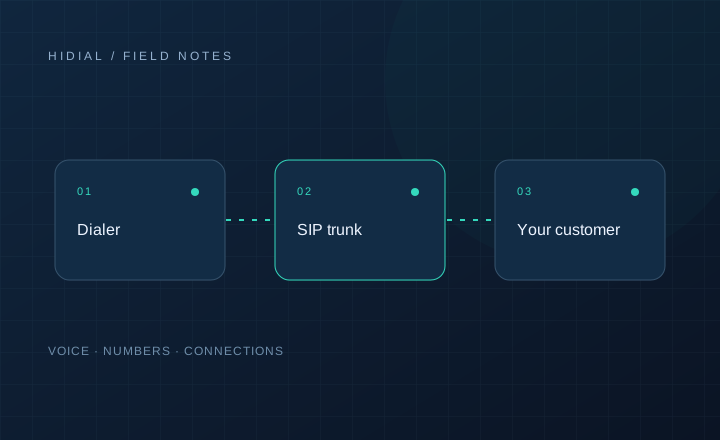
Connecting AI to an existing ViciDial operation can be a better fit when the business already relies on its lead lists, agent queues, and campaign reporting. The advantage comes from keeping the workflow coordinated. It does not come from simply replacing one dialing interface with another.
A separate AI calling platform can also be appropriate, especially for an isolated use case or a small experiment. The decision should depend on where customer records live, who controls dialing, and how reliably the two systems exchange results.
Keep one authoritative lead record
Consider a prospect who speaks with an AI assistant, requests a callback, and later reaches a closer. If each platform stores its own version of that interaction, the agent may see an old status or call at the wrong time.
An integrated design can retain ViciDial or the connected CRM as the authoritative record and write AI outcomes back against the existing lead. Define which system owns each field. AI discovery notes should not overwrite a human agent's confirmed sale, and a delayed event should not clear a suppression flag.
This consistency requires application logic. A SIP connection carries the conversation; it does not automatically synchronize customer records.
Coordinate transfers with the operating team
An AI assistant should transfer to a destination the call center actually staffs and monitors. Keeping that destination aligned with the existing routing plan can make the handoff easier to support.
Test both voice and context. The closer needs the correct prospect record, a brief qualification summary, and any unresolved questions. If the voice arrives but the summary remains in another dashboard, the integration has only solved part of the problem.
Also define who handles a failed transfer. Avoid letting one system report a successful handoff merely because another telephone leg was created.
Build reporting around the complete journey
A separate platform may report AI conversations while ViciDial reports human activity. Comparing those dashboards without a shared identifier can double-count calls or hide the time spent waiting for a transfer.
Create a reporting model that links the dialing attempt, AI conversation, transfer attempt, and human outcome. Measure accepted transfers and final outcomes alongside technical failures. Keep the definitions stable when comparing campaigns.
This does not require forcing every event into one screen. It requires records that can be reconciled and an owner who investigates mismatches.
Understand what direct integration means
Direct integration may still include an external AI service, a SIP carrier, and a small middleware application. The useful distinction is that these components follow one operating workflow instead of running independent campaigns against copied lists.
Retell's custom telephony documentation describes SIP connectivity options and their limitations. Choose the connection method around your required call control, then validate it with your carrier and dialer deployment. Do not assume any SIP-capable service provides a ready-made ViciDial integration.
Keep credentials on the server, restrict integration permissions, and monitor failed updates. Have a rollback path that can stop AI traffic without interrupting the rest of the call center.
When a separate platform makes sense
A standalone platform can reduce initial setup work when its built-in workflow already matches the project. It may suit a dedicated inbound number, an appointment pilot, or a team that does not use ViciDial for that audience.
Its tradeoff becomes larger when staff must manually reconcile lead statuses, manage two retry policies, or move conversation context between tools. Include that operating work in the cost comparison rather than comparing only advertised per-minute rates.
Before choosing, draw the proposed call path and identify the owner of dialing, opt-outs, callbacks, and final dispositions. An integrated setup is worth the work when it makes those responsibilities clearer and reduces repeated manual handling.
Read about first-touch AI calls, or contact HiDial to review your existing ViciDial and SIP environment.